Johnny Disco
Johnny Disco is an artist and educator from Illinois. His subject matter often covers the suburban landscape and the places we as a culture live. Johnny works in printmaking, painting, drawing, collage, and mixed media sculpture.
Artist Statement
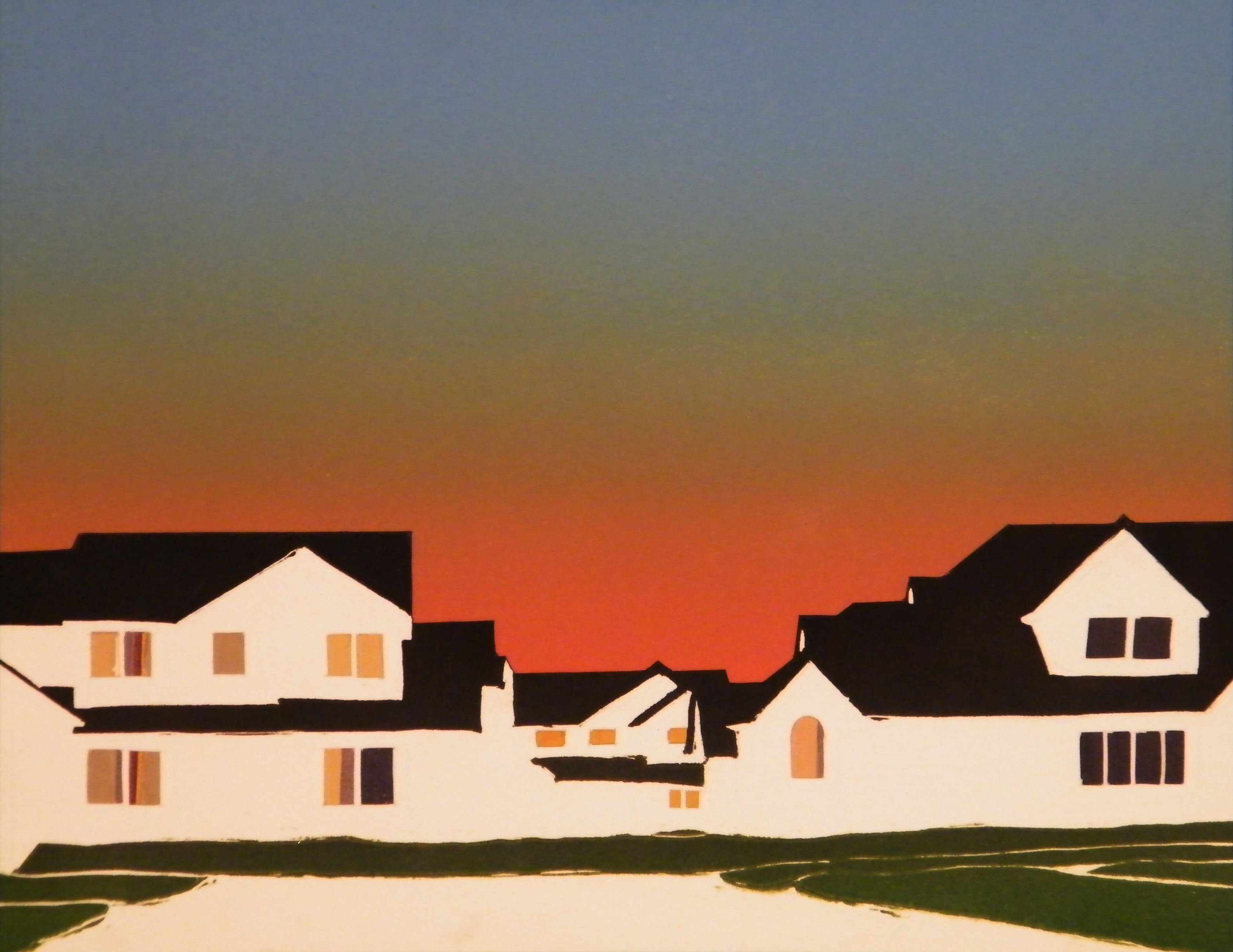
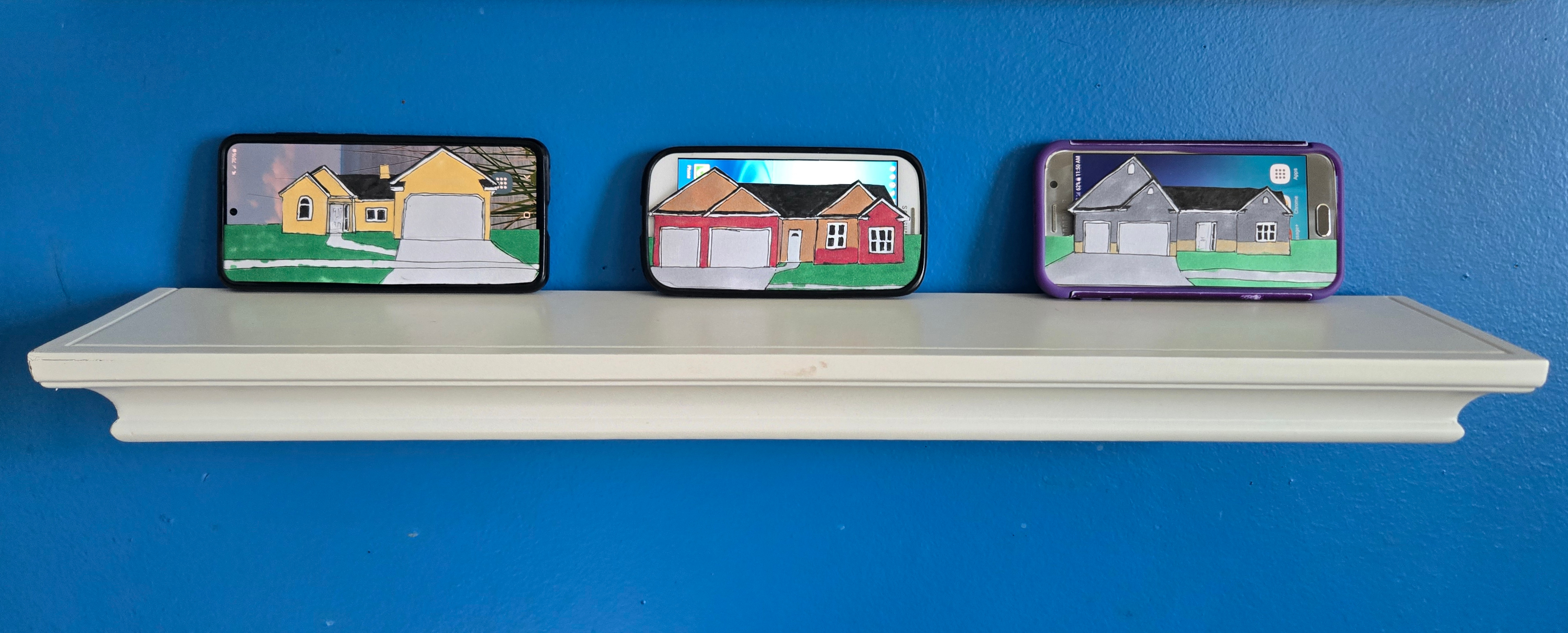
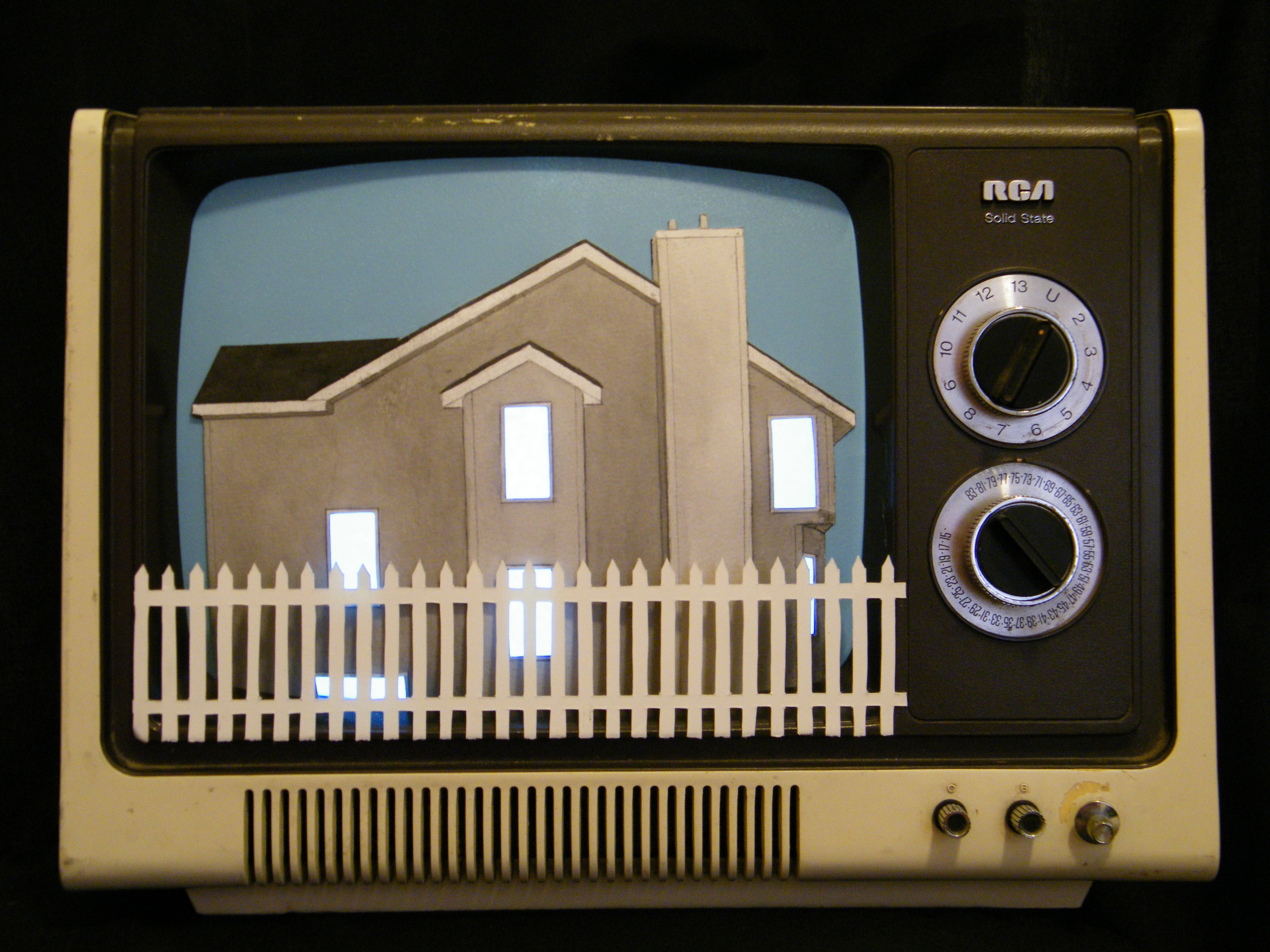
My work explores the suburban landscape and what impacts it has on the individual, community, and notions of place. There is an anonymity to the form of the houses in suburban developments that could exist anywhere, and that seem to be everywhere in the US. While the form of the house is anonymous, its function is entirely personal and catering to the individual(s) living there. I am interested in the duality of the individual and the common, the interior and exterior, the private and public, and houses and homes. I am looking at the formal aspects of the houses found in suburbia, and exploring their relationship to the landscape around them. I express their uniformity, and also their individuality through collage, found objects, and traditional methods of drawing and printmaking.
From the convenience of three car garages to sidewalks that lead to nowhere, suburbs emphasize the need to commute and sacrifice community. Due to zoning restrictions and geographic isolation, most suburbs are without the neighborhood restaurant, drugstore, or grocer. Instead there are chain establishments, supermarkets, and convenience stores all at a short drive away. Because of national chains and a lack of diversity of design, many places have lost their uniqueness. It is warping our sense of place and is replaced with a Noplace as James Howard Kunstler termed it in The Geography of Nowhere (pg.173). Noplace is a result of our lack of connection to a single place; it is the result of our desire for mobility in contemporary life.
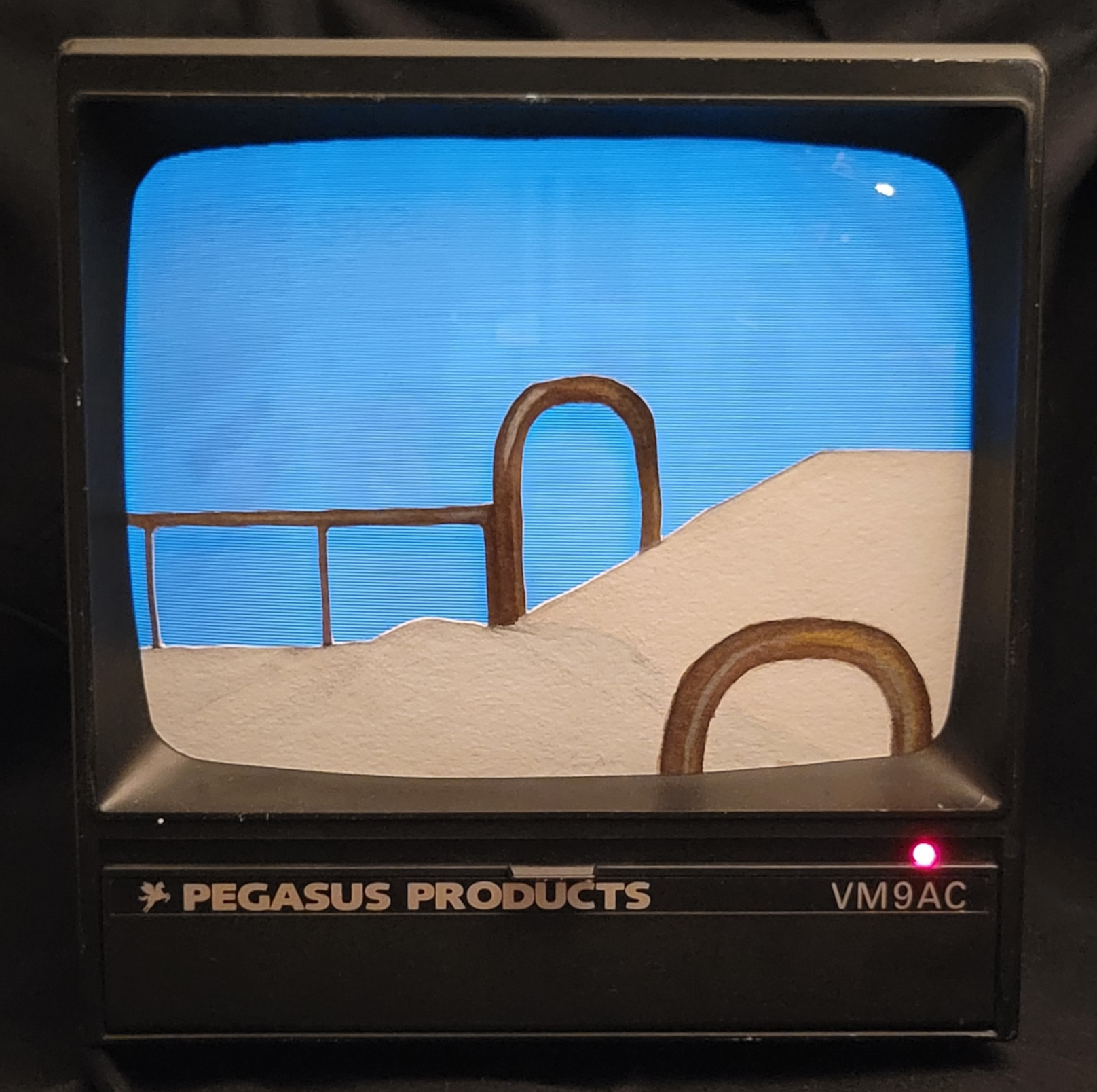
I explore these themes of the suburban landscape through representational and abstract images. I look at the relationship of the houses to each other, how the roads, sidewalks, and driveways intersect, and how disconnected these spaces are from one another even when there are unifying elements. I frequently use older technology such as outdated televisions, cell phones, and tablets as a framing device to explore the way technology both unites us and isolates us and how that is reflected in the places we live. My work also explores narratives that take place in these spaces both real and imagined. The suburban landscape is still a place where personal dramas play out daily, even if outwardly everything looks calm. It is a landscape that has been changing, and with it our notions of community and place.
Teaching Philosophy
My goal as an art educator is to help students understand the importance of art and help them to learn to think creatively and critically at any age. I will help students develop art related vocabulary and skills, refine their craftsmanship, and find their creative voice. It is my role to meet the student at whatever level they are at and help them learn where they need to develop. Younger students may require more guidance with skills and craft and learning the various media within visual art. As they develop in the classroom I will help build a more critical eye towards what they are making. Students will also begin to explore why they want to make art. My classroom is a cooperative and inclusive environment with both individual and group projects. This would be modeled after many professional studios in which there are shared facilities and everyone contributes to each other’s success.
In an art classroom it is important to get hands-on learning experience. For art projects I introduce a new medium or concept with a demonstration on the mechanics of the process. This is followed with examples of completed works both by students and professionals to encourage class discussion and generate ideas. When students begin their projects I work with them individually to encourage them and help with any technical advice they may need. Throughout working studio sessions I provide formative assessments by checking in with students and provide feedback on their progress. This also allows me to reflect on my lesson and teaching and adapt it if needed. I encourage students to reflect on their work and look for details that can make a work feel more complete based on the criteria of the project.
To include all learners I adapt assignments as needed. If there is a concept or skill that is outside of a student’s current ability I will adjust the requirements of the assignment to allow them to have a meaningful learning experience that they can achieve. For example some students will work in smaller formats so they can keep up with their peers. I have also adapted requirements for students to limit the number of features their work might have as well. As an example in a project where students are creating a cityscape, the requirements are to include 5 buildings in your artwork, to accommodate students with limitations they might be required to only include two or three buildings. This includes adapting tools and materials for students with varying motor skills or other sensitivity issues. This could be something as simple as having left handed scissors for students or using pencil grips for comfort as examples that I have included in the past.
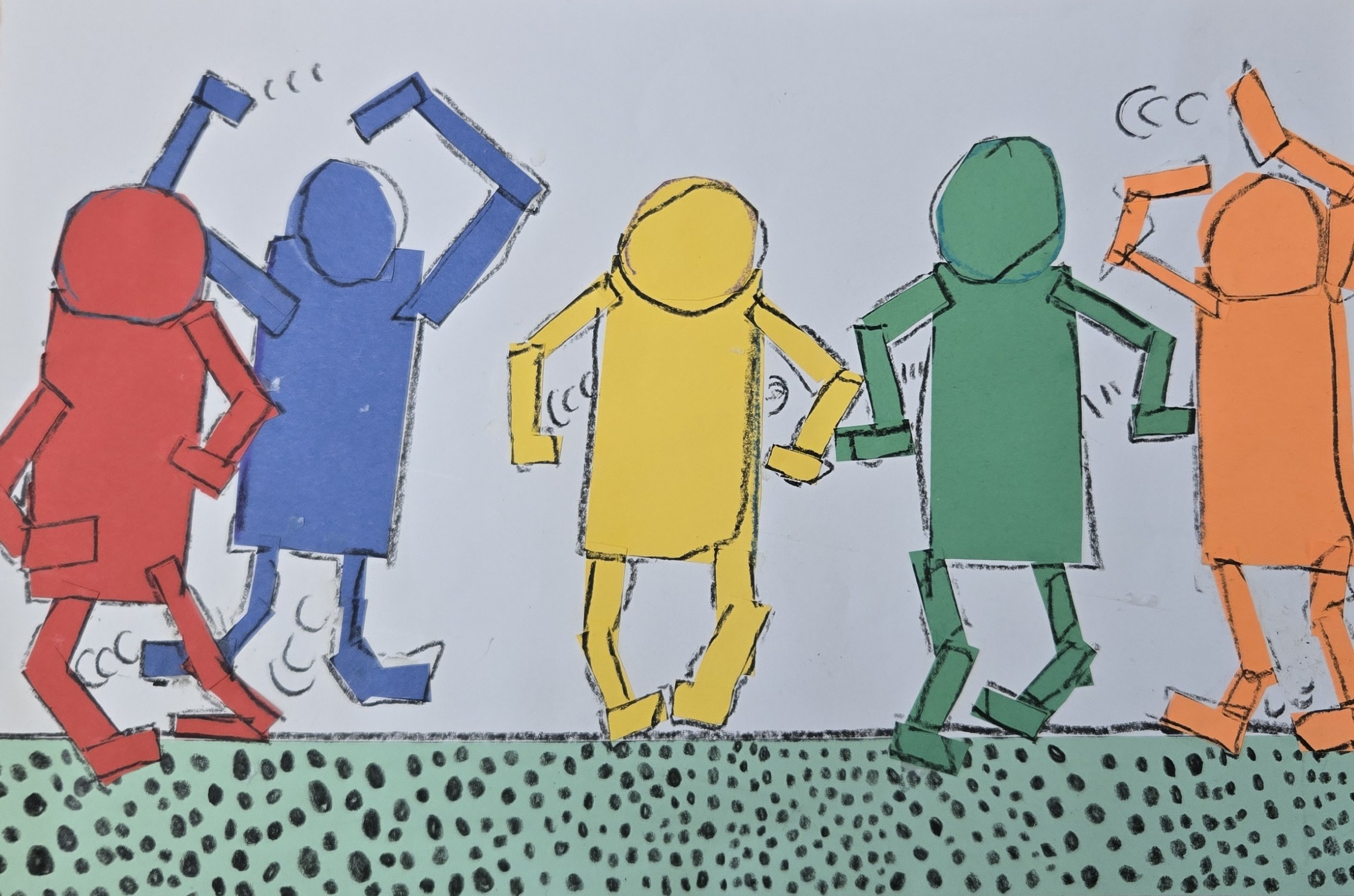
I encourage inclusivity by sharing examples of artists from diverse backgrounds so that all students can see themselves in the arts. In broadening my scope of artists for inspiration for the classroom, it also opens up more avenues for students to express who they are more fully. Students are encouraged to share influential artists as well to deepen their investment in the class. Students also explore their own identity and background through choice in the content of their work. While the assignment is covering a broad theme in art like landscape, the students will bring their own experience of what a landscape is. They will choose how to represent their landscape, and I will be there to help guide them in expressing their ideas.
Art history and art appreciation would be taught using slide presentations, art books, and when possible gallery or museum visits. While there would be brief lectures it would be followed up with discussion with students. This discussion would be to get the students to think more critically about artworks and to discuss the historical and societal context of artworks. This discussion will help me gauge if the students are learning core concepts and vocabulary and can express them verbally. It will also give me an opportunity to reinforce concepts without having to rely solely on written tests or lengthy lectures. These presentations and discussions will also help students broaden their visual literacy and strengthen future studio art projects and make them more informed of history and the larger culture.
I evaluate the student’s development throughout the class, watching for advances with specific skills as well as an understanding of composition and design. Not every student will start at the same level, and it is important to see growth in skills. For younger students there is a greater emphasis on developing motor skills and control, while an older student might be more focused on refining advanced techniques and more complex compositions. I look at aspects of craftsmanship within art projects for proof of developing skills like motor function or understanding of more advanced techniques and evaluate based on improvement throughout the class. The class critiques are also a form of evaluation. It allows for a dialogue for me and the students to explore what they learned.
Through use of hands-on projects, formative feedback, and art appreciation and history presentations students will make progress toward thinking visually and creatively. I will guide students and help them refine skills, and learn who they are artistically. Ideally they will be able to grow their problem solving skills and creative thinking and apply it to all courses of study.
Through use of hands on projects, formative feedback, and art appreciation and history presentations students will make progress toward thinking visually and creatively. I will guide students and help them refine skills, and learn who they are artistically. Ideally they will be able to grow their problem solving skills and creative thinking and apply it to all courses of study.
 Johnny Disco